Powering your property. Safely. Reliably.
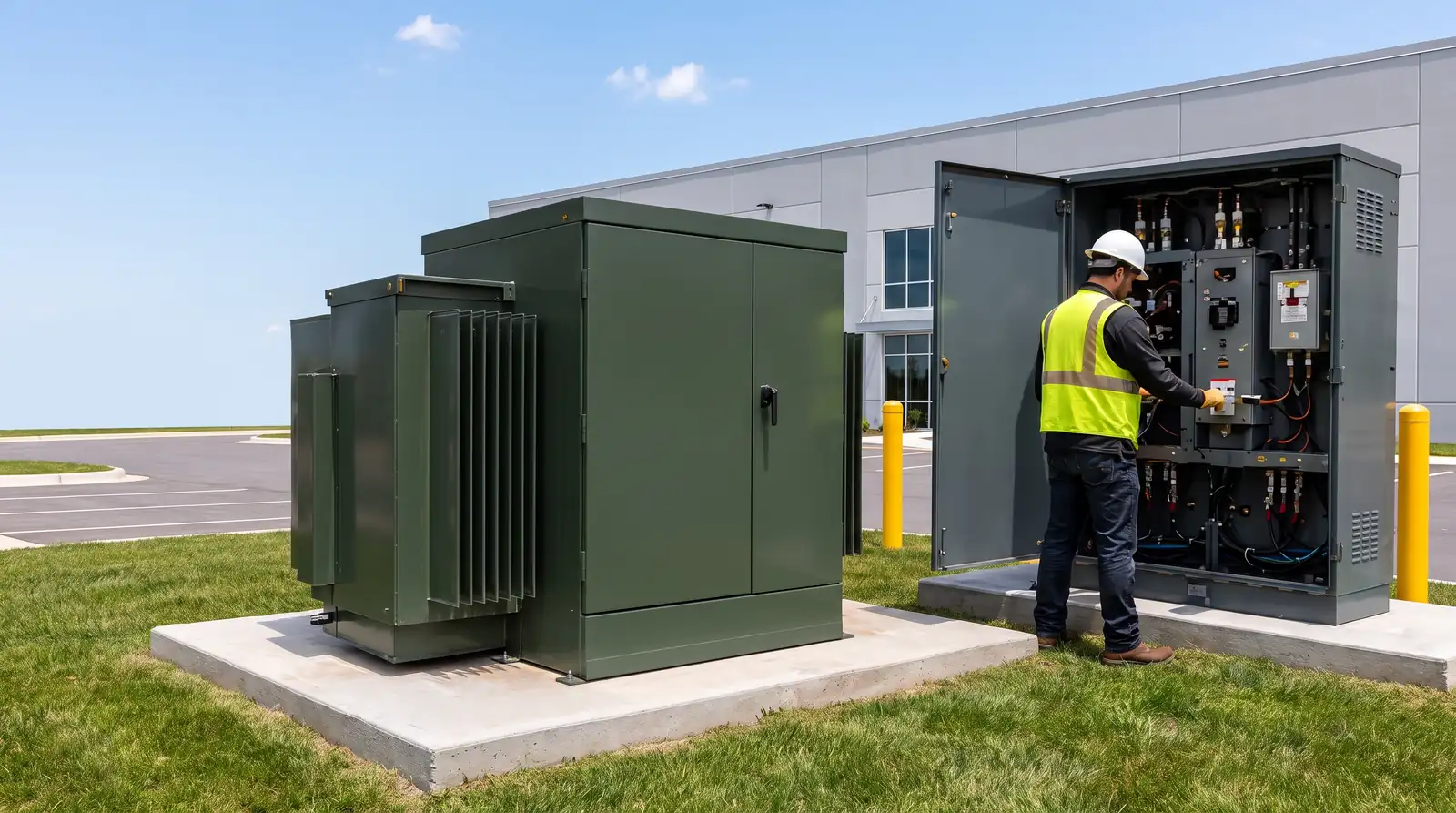
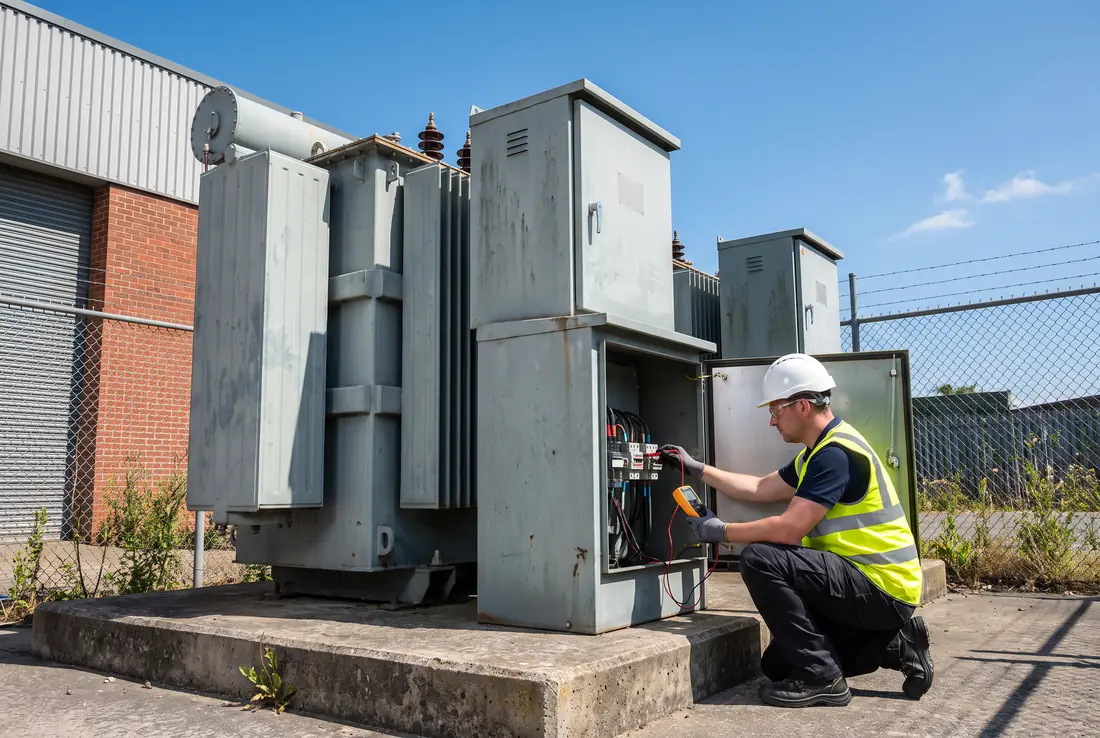
Installation, replacement and upgrades for commercial and industrial transformers, along with the switchgear, distribution equipment and feeders around them. Aging electrical infrastructure, modernized on a planned schedule instead of an emergency one.
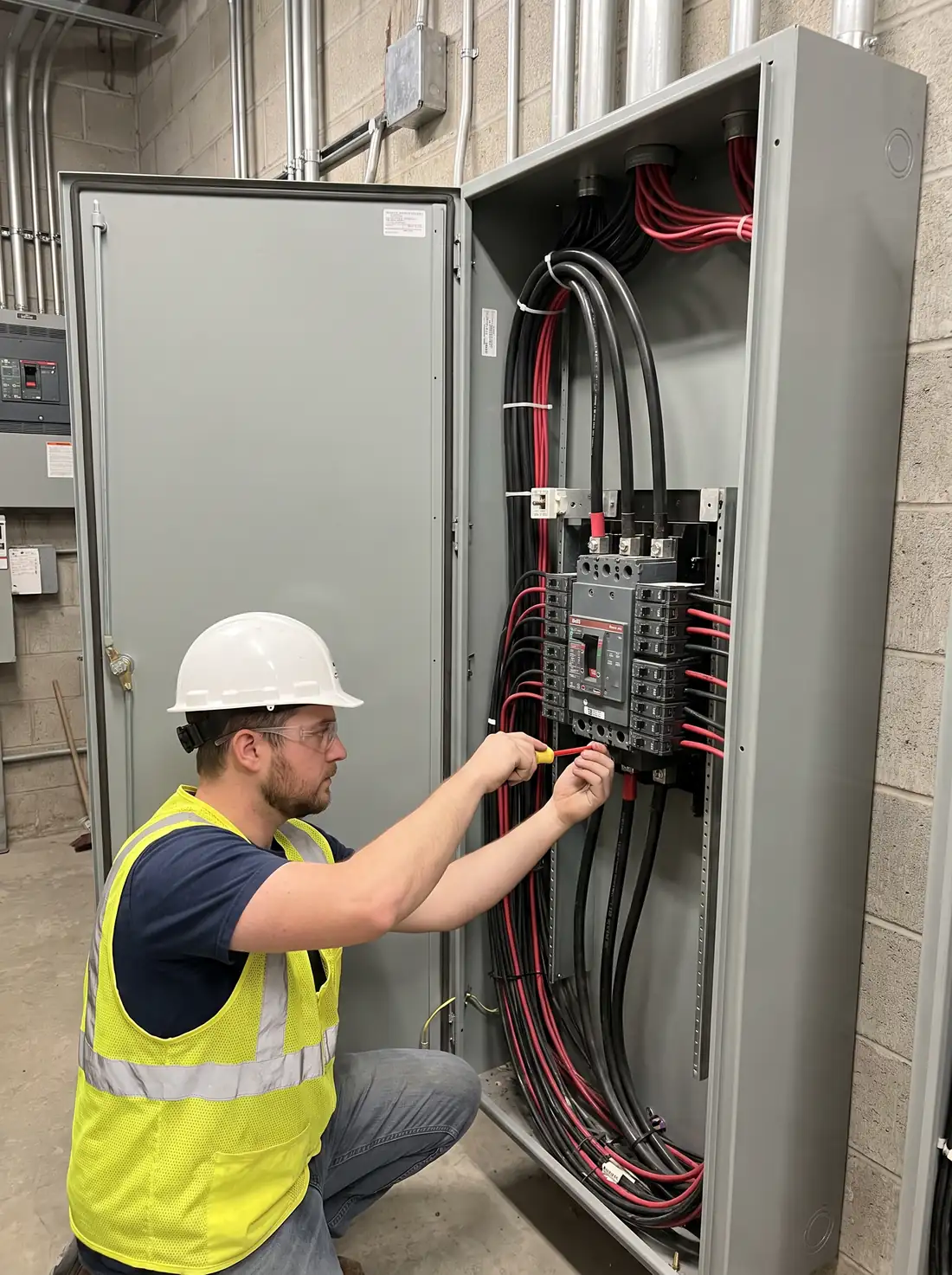
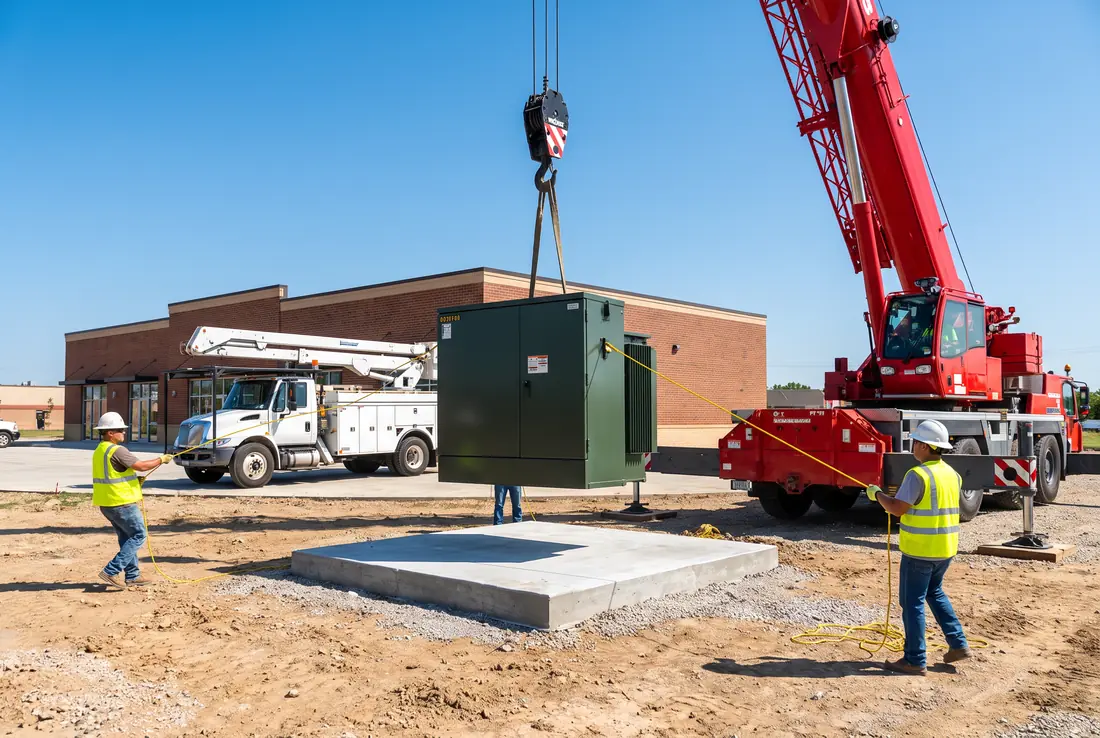
A transformer is rarely a standalone piece of work. Replacing one usually means looking at the pad it sits on, the primary and secondary connections, the switchgear downstream and whether the feeders and overcurrent protection still suit the load the building carries today.
We handle the whole package. Assessment of what is installed, capacity for what you actually run now, the equipment itself, the distribution around it, and the shutdown coordination that keeps the disruption to a planned window instead of an unplanned one.
These come up whenever the voltage available in the building does not match what a piece of equipment needs. Sizing and configuration are set by the load and the service, so the examples below are the common cases rather than a fixed menu.
The common three-phase case. A building served at 480V feeds a dry-type transformer that delivers 208Y/120V for receptacles, lighting and equipment expecting utilization voltage.
The reverse problem. A machine, chiller or pump is rated at 480V, the building only has 208V or 240V available, and buying different equipment is not an option. A step-up transformer bridges the gap.
We specify and install equipment from the manufacturers commonly used in commercial and industrial construction. Selection is driven by the application, lead time and what already exists on your site rather than by a single supplier relationship.
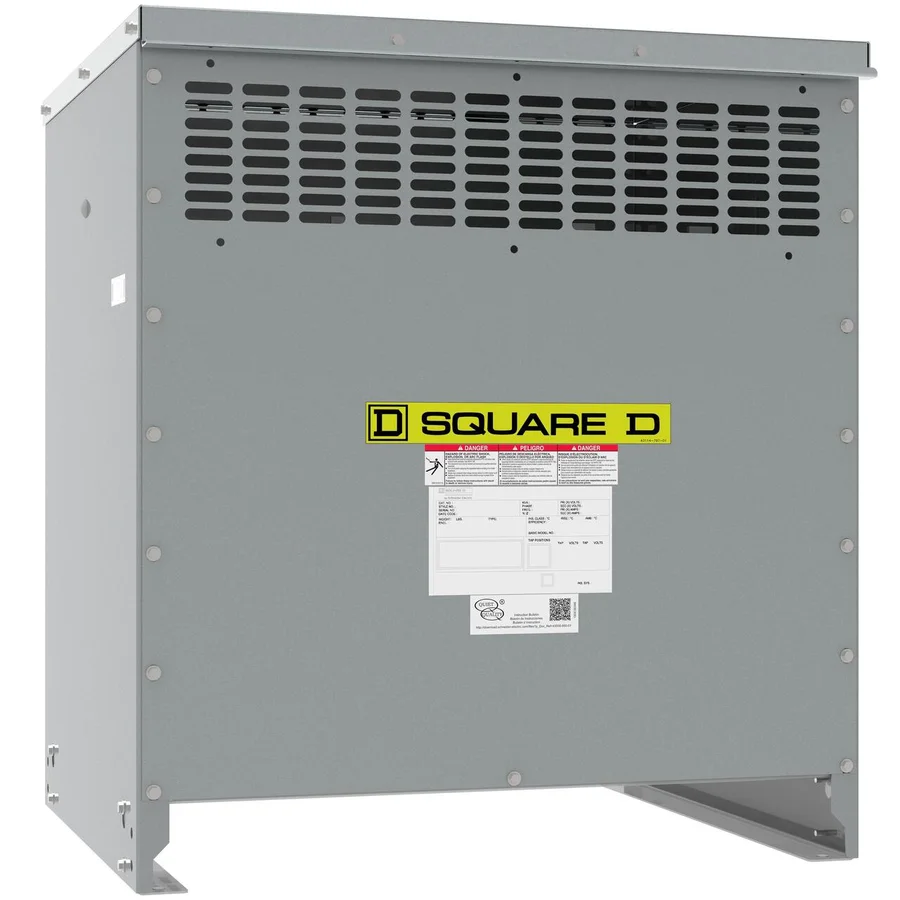
Widely specified across commercial construction, and often the match when a property's existing panels and distribution are already Square D.
Common in industrial facilities and used where switchgear and distribution equipment need to come from the same family as the transformer.
Long installed base across older South Florida properties, which matters when a replacement has to fit an existing pad, enclosure or connection arrangement.
Manufacturer names are shown to identify equipment we install and source. Lighting Management is an independent electrical contractor and is not an authorized dealer or representative of these manufacturers.
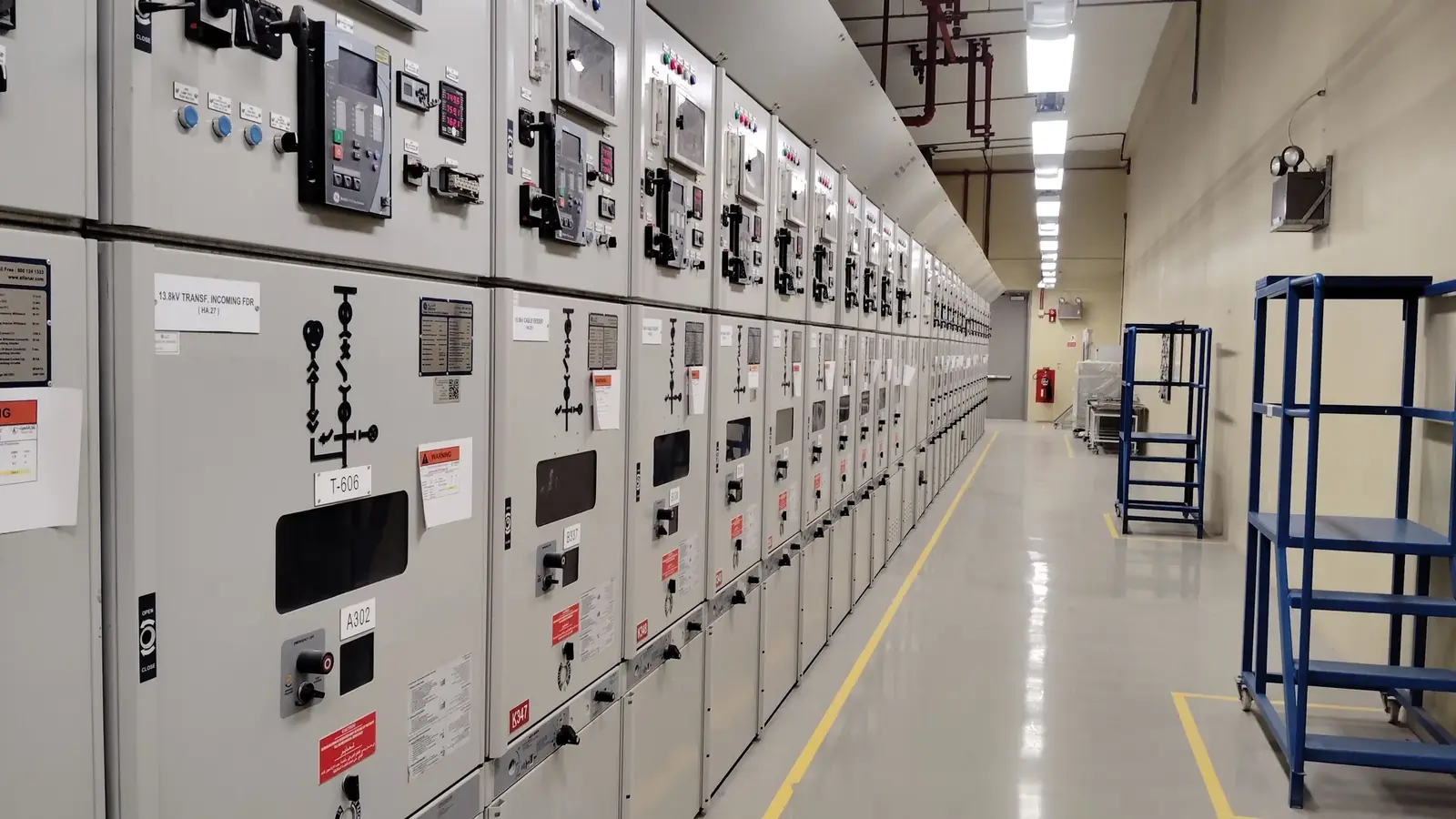
The transformer is one link. Power has to get from the utility service all the way to the equipment your business runs on, and a problem anywhere along that path shows up as a problem at the end of it.
Incoming service, metering and service equipment.
Steps voltage to what the building and its equipment need.
Main protection, disconnects and overcurrent devices.
Distributes power to areas, floors and tenant spaces.
Individual circuits, feeders and dedicated runs.
Because we work at every stage of that chain, a fault gets traced rather than guessed at, and an upgrade at one point gets checked against what sits either side of it.
Electrical infrastructure tends to get replaced on the worst possible day. Planning it instead gives you three things an emergency never will: a choice of equipment, a shutdown window that suits your operations, and a price agreed before anyone is under pressure.
A planned replacement is also the moment to right-size. Buildings change use, tenants change, equipment gets added, and the capacity that was correct twenty years ago often is not what the property needs now.
Condition of the existing equipment, the load it carries and where the capacity actually sits today.
Equipment selection, lead times, the shutdown window and a sequence that fits your operations.
Pad or foundation, the unit itself, primary and secondary connections, grounding and bonding.
Verification and commissioning before anything is handed back over to the building.
Controlled startup, load confirmed and documentation left with your team.
It depends on the scope, but the length of the outage is agreed before the work is scheduled rather than discovered during it. We sequence the job so as much preparation as possible happens with the building live, and the shutdown covers only the work that genuinely needs it.
Age alone is not the deciding factor. We look at the condition of the unit and its connections, the load it carries against its rating, and whether the building's use has changed since it was installed. The assessment tells you where it stands, even if the answer is that it has years left.
Usually a step-up transformer is the cheaper answer, especially when the equipment is already bought or being relocated from another facility. We size it to the load and check the existing service can carry it before recommending either path.
Yes, and on most projects it is better if one contractor does. Transformer work frequently exposes something upstream or downstream that also needs attention, and splitting the scope between trades is where schedules and responsibility fall apart.
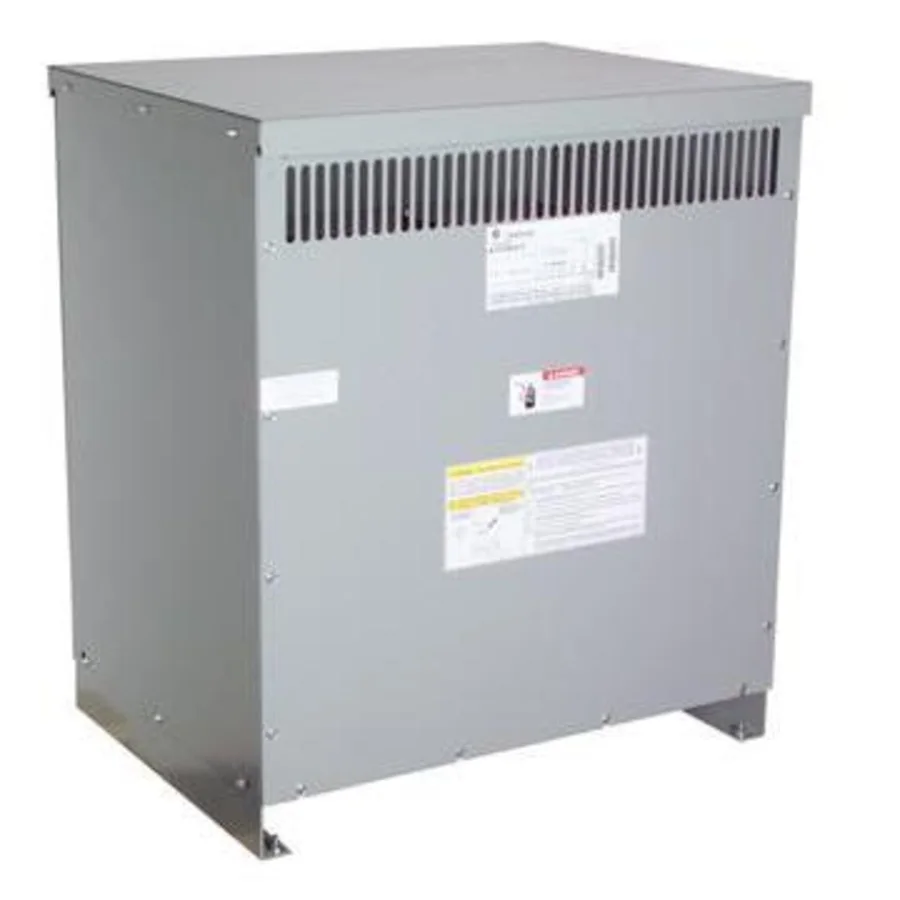
We install equipment from the manufacturers commonly specified in commercial and industrial work, including Square D by Schneider Electric, Siemens and GE. Selection depends on the application, the lead time and what is already installed at your property.
Verification that connections, grounding and protection are correct before energizing, then a controlled startup with the load confirmed. You get documentation of what was installed and tested for your records.
We will look at the equipment you have, the load it carries and what your property is likely to need next, then give you a written picture of where it stands.
Send the property address and what you know about the existing equipment.
Request an Assessment